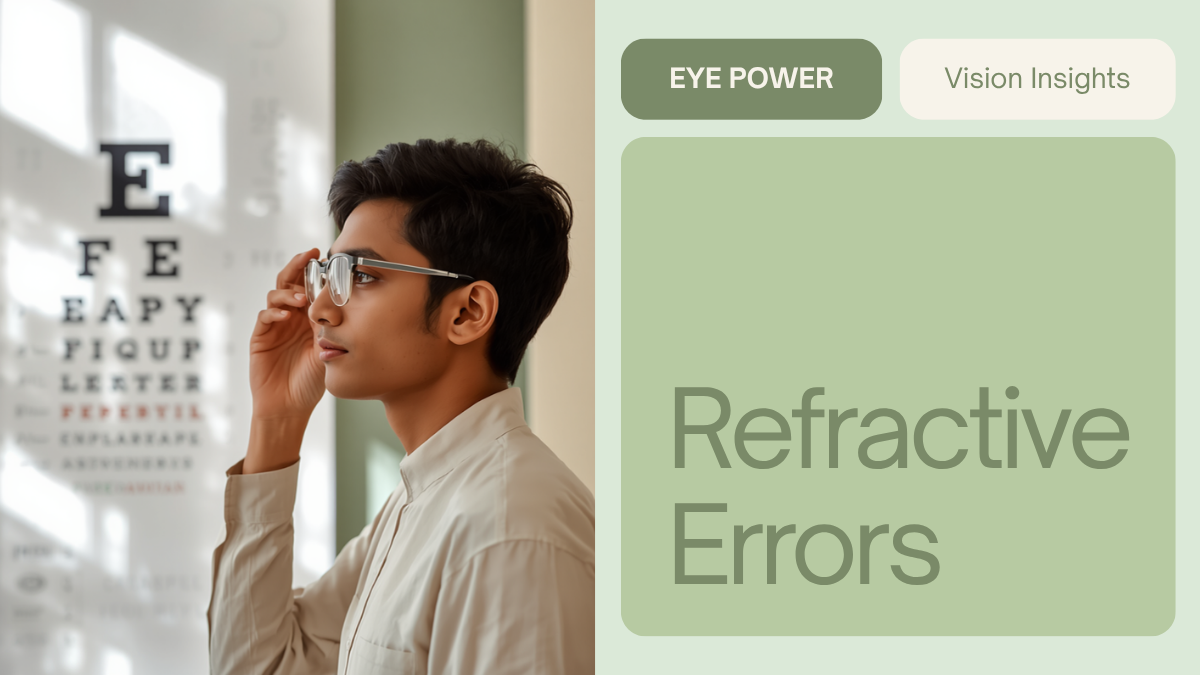
Myopia vs Hyperopia vs Astigmatism: A Simple Guide (চোখের পাওয়ারের ধরন)
Look at any eye prescription and you’ll see letters like SPH, CYL, and AXIS. They describe how your eyes focus — and almost always point to one of three common conditions. In Bangla we simply say চোখের পাওয়ার, but doctors call them refractive errors. The three you’ll hear about most are myopia, hyperopia, and astigmatism. Here’s what each really means, in plain language.
What is a refractive error? (প্রতিসরণজনিত ত্রুটি)
For clear vision, light must focus exactly on the retina at the back of your eye. When the eye is shaped so that light lands slightly in front of or behind the retina — or focuses unevenly — the image blurs. That focusing problem is a refractive error, and glasses or contact lenses simply redirect the light to the right spot. The American Academy of Ophthalmology lists these among the most common eye conditions in the world.
Myopia — near-sightedness (মায়োপিয়া)
With myopia, close objects are clear but distant ones look blurry — the board at school, road signs, a face across the room. It happens when the eyeball is slightly too long. It often starts in childhood and can rise as the eyes grow (see why eye power increases). মায়োপিয়া বা ক্ষীণদৃষ্টি বাংলাদেশে সবচেয়ে সাধারণ।
Hyperopia — far-sightedness (হাইপারোপিয়া)
Hyperopia is the opposite: distant objects can be clearer than near ones, and close work like reading brings strain, tired eyes, or headaches. Young people often compensate for mild hyperopia, but it becomes more noticeable with age. একে বাংলায় দূরদৃষ্টি বলা হয়।
Astigmatism (অ্যাস্টিগম্যাটিজম)
Astigmatism comes from an irregularly shaped cornea — shaped more like a rugby ball than a perfectly round football. This blurs or distorts vision at all distances, and it often appears alongside myopia or hyperopia. It is very common and easily corrected (the CYL and AXIS values on your prescription).
Quick comparison
| Type | বাংলা | What’s blurry | Common sign |
|---|---|---|---|
| Myopia | মায়োপিয়া | Distance | Squinting at far objects |
| Hyperopia | হাইপারোপিয়া | Near (sometimes far) | Eye strain when reading |
| Astigmatism | অ্যাস্টিগম্যাটিজম | All distances | Blurred or distorted vision |
How they’re corrected
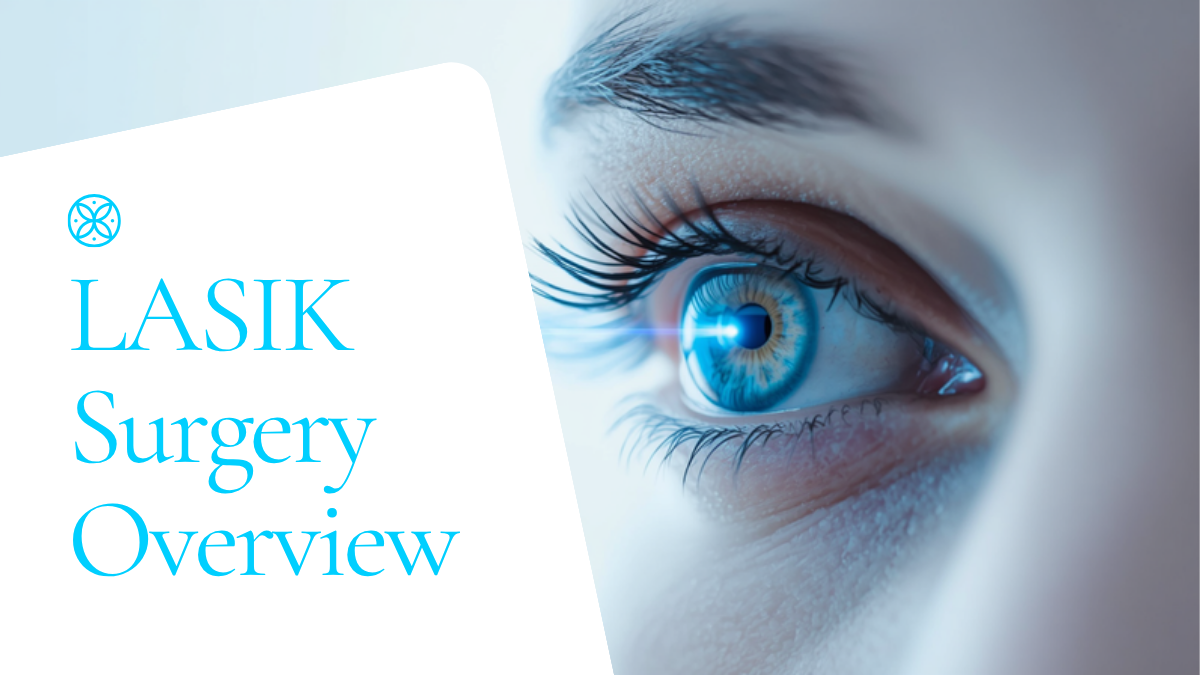
All three are corrected with glasses or contact lenses, and sometimes LASIK surgery later in life. The key is an accurate, up-to-date prescription — learn how to read yours. Wearing the right lenses will not worsen your eyes; it simply gives you clear, comfortable vision.
বাংলায়: চোখের পাওয়ার মূলত তিন ধরনের — মায়োপিয়া (দূরের জিনিস ঝাপসা), হাইপারোপিয়া (কাছের জিনিস ঝাপসা) এবং অ্যাস্টিগম্যাটিজম (সব দূরত্বেই ঝাপসা)। সঠিক চশমাই এর সহজ সমাধান।
কখন চোখ পরীক্ষা করাবেন (when to get tested)
Book an eye test if you squint, hold things very close, get headaches after reading, or struggle to see the board or road signs. Children especially should be checked, since they rarely complain about blurry vision. An accurate test tells you exactly which type you have — and the right fix.
A simple first step: get an accurate eye test and the right lenses. With Nine Optic’s free home try-on, you can sort it out from home and pay cash on delivery.
Frequently Asked Questions
What is the difference between myopia and hyperopia?
Myopia (মায়োপিয়া) makes distant objects blurry, while hyperopia (হাইপারোপিয়া) makes near objects harder to focus on and can cause eye strain when reading.
Can you have astigmatism with myopia or hyperopia?
Yes, very commonly. Astigmatism often appears together with myopia or hyperopia, and a single pair of glasses can correct both.
Are refractive errors dangerous?
No. They are common and easily corrected with glasses or contacts. They simply mean your eyes don’t focus light perfectly — not that your eyes are diseased.
Can glasses cure these conditions?
Glasses correct your vision while you wear them but do not change the eye’s shape. LASIK surgery can reshape the cornea later in life for those who qualify.
Share This Story, Choose Your Platform!
About the author : Dr. Saifur Rahman

Senior Consultant, Uttara Eye Hospital, Dhaka