Monsoon Eye Care in Bangladesh: Stay Infection-Free (বর্ষায় চোখের যত্ন)
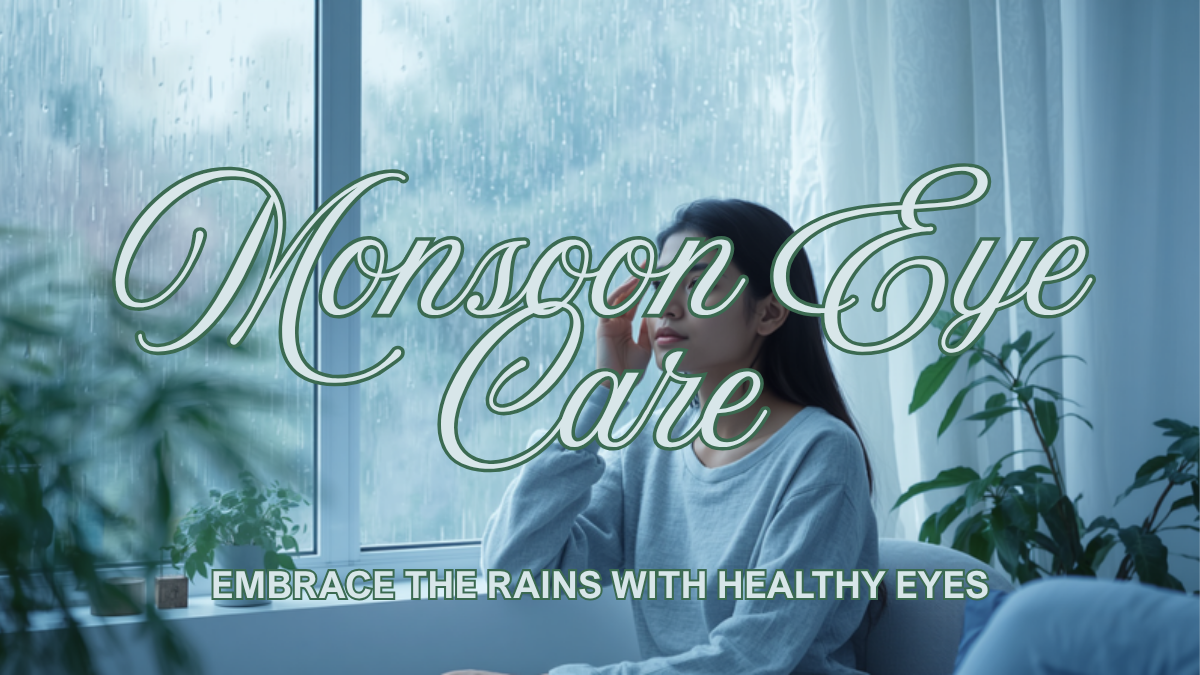
The monsoon brings welcome relief from the heat — but for our eyes, the rainy season is one of the trickiest times of year. Humidity, dirty rainwater, and crowded indoor spaces all help eye infections spread fast. Every year, clinics across Bangladesh see a jump in red, itchy eyes once the rains arrive. A little care goes a long way, so here’s how to keep your eyes healthy this monsoon (বর্ষায় চোখের যত্ন).
Why eye problems rise in the monsoon
Warm, damp weather is perfect for bacteria, viruses, and fungi to thrive. Splashes of contaminated rainwater, more rubbing of the eyes with unwashed hands, and shared towels in a busy household all make it easy for infections to pass from one person to another. Allergens and pollution washing around in the air don’t help either.
Common monsoon eye problems
- Conjunctivitis (চোখ ওঠা) — the classic monsoon infection; very contagious.
- Stye — a painful red lump on the eyelid from a blocked, infected gland.
- Eye allergies — itchy, watery, red eyes from damp-weather allergens.
- Dry or irritated eyes — from fans, air-conditioning, and screen time indoors.
বাংলায়: বর্ষায় চোখ ওঠা, আঞ্জনি (স্টাই) আর অ্যালার্জির ঝুঁকি অনেক বেড়ে যায় — কারণ স্যাঁতসেঁতে আবহাওয়ায় জীবাণু দ্রুত ছড়ায়। তাই এই সময় বাড়তি সতর্কতা জরুরি।
Simple tips to protect your eyes this monsoon
- Wash your hands often and avoid touching or rubbing your eyes.
- Don’t let dirty rainwater splash into your eyes; rinse with clean water if it does.
- Never share towels, handkerchiefs, or eye makeup with anyone.
- Use a clean tissue to wipe your eyes, then throw it away.
- Keep your glasses clean and dry (see how to clean glasses safely).
- Avoid eye makeup if your eyes feel irritated.
Contact lens & glasses care in the rain
Contact lens wearers need extra caution in the monsoon — damp conditions and waterborne germs sharply raise the infection risk. It’s often safest to switch to glasses during heavy rain and flooding, and to follow strict contact lens care. Never let lenses touch rain or floodwater. If your eyes feel dry from indoor fans and AC, our guide to dry eyes can help.
When to see a doctor
Most monsoon eye irritation settles with basic care, but see an eye doctor if you have a painful red eye, thick discharge, blurred vision, or strong light sensitivity — these can signal a serious infection like conjunctivitis that needs treatment. Not sure if a symptom is serious? See our guide on when to worry about eye symptoms.
Stay clear and comfortable this rainy season: if you’re switching from contacts to glasses, Nine Optic’s free home try-on brings frames to your door — no need to step out in the rain — with cash on delivery.
Frequently Asked Questions
Why do eye infections increase during the monsoon?
Warm, humid weather helps germs spread quickly, and contaminated rainwater, unwashed hands, and shared towels make infections like conjunctivitis pass easily between people.
Can I wear contact lenses in the rainy season?
You can, but with extra care. Keep lenses away from rain and floodwater, follow strict hygiene, and switch to glasses during heavy rain or if your eyes feel irritated.
How can I prevent conjunctivitis in the monsoon?
Wash your hands often, avoid rubbing your eyes, don’t share towels or makeup, and keep dirty rainwater out of your eyes. See a doctor if your eyes turn red and painful.
Are eye allergies common in the rainy season?
Yes. Damp-weather allergens can cause itchy, watery, red eyes. Avoid rubbing, rinse with clean water, and see a doctor if the irritation persists.
Share This Story, Choose Your Platform!
About the author : Dr. Saifur Rahman

Senior Consultant, Uttara Eye Hospital, Dhaka