Anti-Reflective Coating: Is It Worth It in Bangladesh?
Look at someone’s glasses in a photo and you’ll often see a bright white reflection hiding their eyes. At night, oncoming headlights scatter into an annoying glare. The fix for both is a tiny upgrade most people overlook: anti-reflective (AR) coating. So is it actually worth paying extra for? Usually, yes — and here’s why.
What is anti-reflective coating?
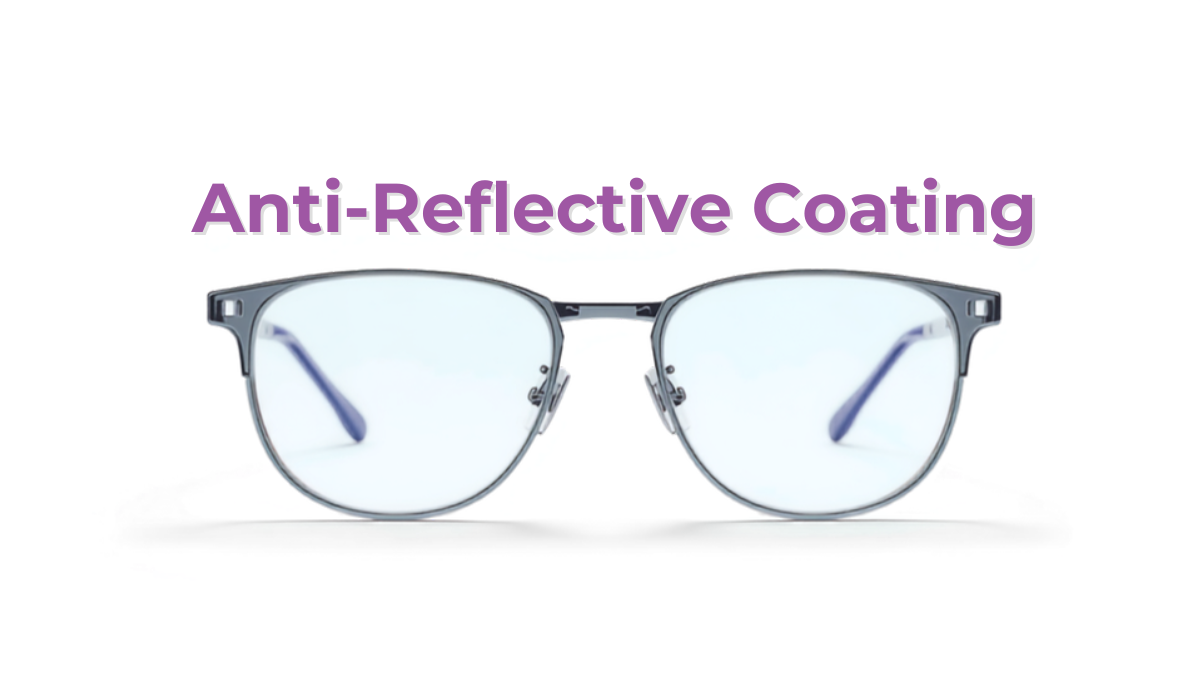
Anti-reflective coating — also called anti-glare or AR coating — is a thin, multi-layer treatment applied to your lenses. Normally, some light bounces off the front and back of a lens as reflections. AR coating lets that light pass straight through instead, so more light reaches your eye and far less bounces around as glare.
How AR coating helps
- Clearer, sharper vision, because more light reaches your eyes
- Much less glare when driving at night
- Reduced screen glare and less eye strain during long screen sessions
- Lenses look almost invisible — better eye contact and cleaner photos
- Fewer distracting halos and reflections around lights
AR vs blue-cut vs plain lenses
| Feature | Plain lens | AR coating | Blue-cut + AR |
|---|---|---|---|
| Cuts glare & reflections | No | Yes | Yes |
| Helps with screens | Limited | Better | Best |
| Clearer night driving | No | Yes | Yes |
| Filters blue light | No | No | Yes |
If you spend hours on screens, a blue-cut lens with AR coating gives you the best of both worlds.
Is it worth the extra cost?
For most people, yes. AR coating makes the biggest difference if you:
- Drive at night and struggle with headlight glare
- Work long hours on screens or in an office
- Have a strong prescription — thicker lenses reflect more light, so AR helps more
- Want your glasses to look clear in photos and video calls
If you only wear glasses occasionally indoors, plain lenses may be enough — but for daily, all-purpose use, AR coating is one of the most worthwhile small upgrades you can make. AllAboutVision has a helpful overview of AR coatings if you want to dig deeper.
How to care for AR-coated lenses
AR lenses stay clear longest when you clean them gently:
- Use a microfibre cloth with a little water or proper lens spray.
- Never dry-wipe with your shirt, tissue, or paper towel — grit scratches the coating.
- Avoid harsh chemicals like household glass cleaner.
- Rinse off dust before wiping. (See our full guide to cleaning glasses without damaging the lens.)
Choosing your next pair? Add AR or blue-cut coating when you order, and try it all at home first with Nine Optic’s free home try-on — cash on delivery.
Frequently Asked Questions
Is anti-reflective coating worth it?
For most daily wearers, yes. It improves clarity, cuts night-driving and screen glare, and makes lenses look invisible. It matters most for drivers, screen users, and strong prescriptions.
What is the difference between AR coating and blue-cut lenses?
AR coating reduces reflections and glare on any lens. Blue-cut lenses also filter blue light from screens. Many people choose a blue-cut lens that already includes AR coating.
Does anti-reflective coating scratch easily?
Good-quality AR coatings include scratch resistance, but they still need gentle care. Always clean with a microfibre cloth and lens fluid rather than dry-wiping.
Can AR coating be added to any glasses?
It is applied to the lenses, so you choose it when ordering new lenses. It can’t reliably be added to lenses you already own.
Share This Story, Choose Your Platform!
About the author : Dr. Saifur Rahman

Senior Consultant, Uttara Eye Hospital, Dhaka