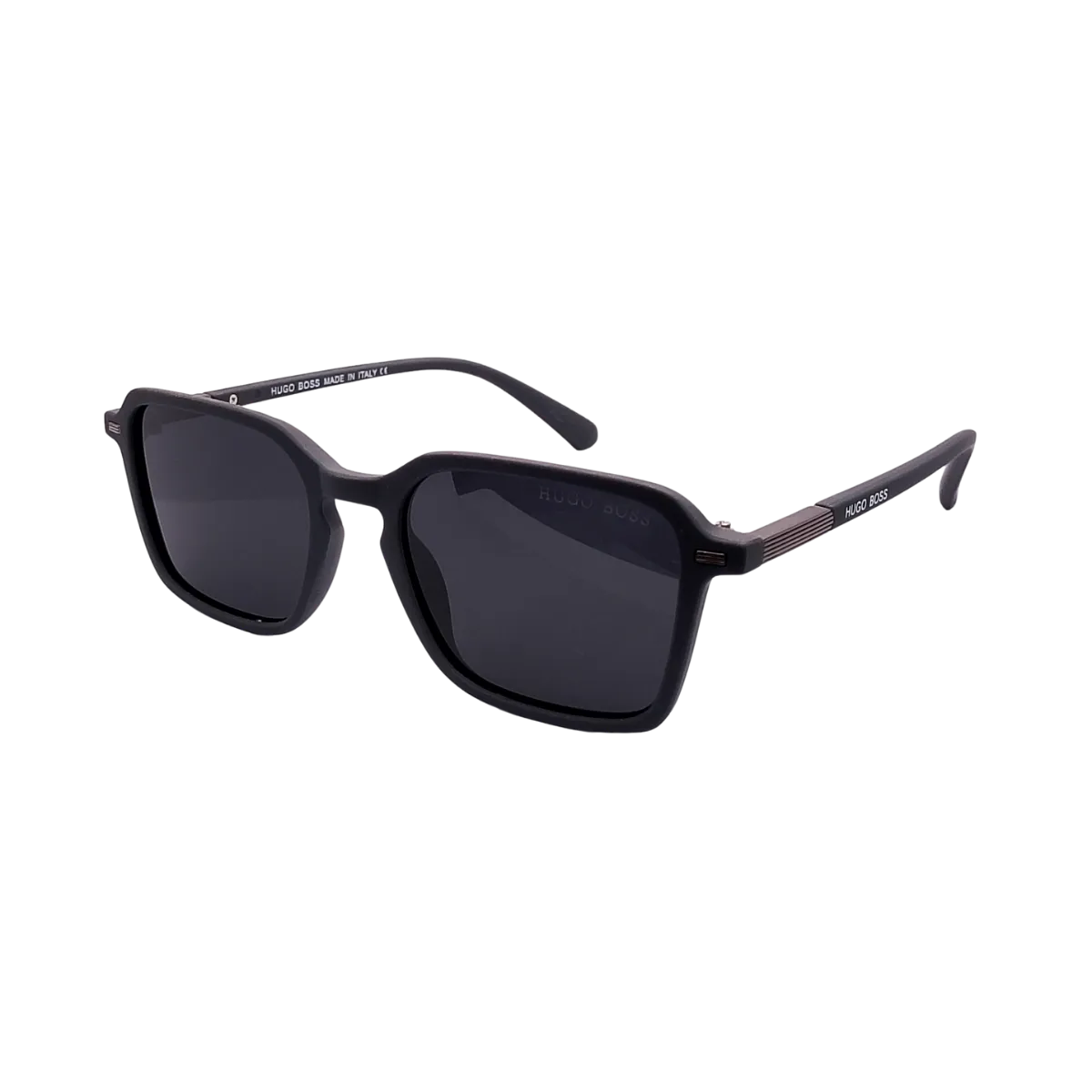
Best Sunglasses for Bangladesh Weather: 2026 Complete Guide
Every April, something predictable happens in Bangladesh: the sun turns brutal, the roads reflect like mirrors, and half the country squints their way through the day. If you’ve ever stepped out of a Dhaka office at noon in May and felt your eyes genuinely hurt from the glare — you already know why the right sunglasses matter here more than almost anywhere else in South Asia.
This guide covers everything about choosing the best sunglasses for Bangladesh’s specific weather: the summer heat from March to June, the glare-soaked monsoon roads from July to September, and the hazy winter sun of November to February. We’ll look at what lens types actually work, which price tier makes sense for your lifestyle, and the three mistakes that make most Bangladeshi sunglass buyers regret their purchase within a month.
What makes sunglasses “best” for Bangladesh weather, really?
The phrase “UV protection” is printed on almost every pair of sunglasses sold in Bangladesh — including the ৳150 pairs at Gulshan footpaths. The difference is that most of those offer zero real UV protection. The tinted lens just reduces visible light, which actually makes things worse: your pupil dilates in the dimmer environment, then absorbs more UV radiation than if you’d worn nothing at all.
Genuine UV-400 protection means the lens blocks all ultraviolet light with wavelengths up to 400 nanometres — covering both UV-A and UV-B rays. That’s the international standard. Bangladesh’s UV index regularly hits 11–12 (extreme category) from April through August. At that level, unprotected eyes accumulate damage that shows up years later as cataracts, pterygium (a growth on the white of the eye common in South Asia), or macular degeneration.
Beyond UV, Bangladesh’s weather adds two specific challenges that most generic sunglass guides ignore:
- Monsoon glare: Wet roads, flooded intersections, and rain-slicked rickshaw rooftops create horizontal glare that regular tinted lenses can’t cut. Only polarized lenses eliminate this — they contain a filter that blocks horizontally-reflected light specifically.
- Humidity and lens fog: Bangladesh’s average relative humidity sits above 75% for eight months of the year. Lenses that aren’t hydrophobic-coated fog up constantly when you move between air-conditioned spaces and outdoor heat, giving you 30-second windows of blurred vision — dangerous when crossing Dhaka’s roads.
Why sunglasses matter more in Bangladesh than most people realise
Bangladesh has one of the highest rates of pterygium in the world — a study published in the Asia-Pacific Journal of Ophthalmology found prevalence rates of 12–16% in rural Bangladeshi populations. Pterygium is directly linked to cumulative UV exposure, and it’s largely preventable with consistent UV-400 sunglass use from early adulthood.
In urban Bangladesh, the problem compounds. Dhaka’s air pollution increases the scattering of UV light. Construction dust and particulates further irritate eyes that are already UV-stressed. And the commuting culture — CNG auto-rickshaws with open sides, motorbikes, walking to bus stops — means most working-age Bangladeshis spend 1–3 hours daily in direct outdoor exposure, often without eye protection.
The good news: the sunglass awareness gap is closing. Nine Optic has seen a consistent increase in sunglass orders every summer since 2021, and the fastest-growing segments aren’t luxury — they’re quality polarized sunglasses in the ৳1,500–৳4,500 range from people who’ve done their research.
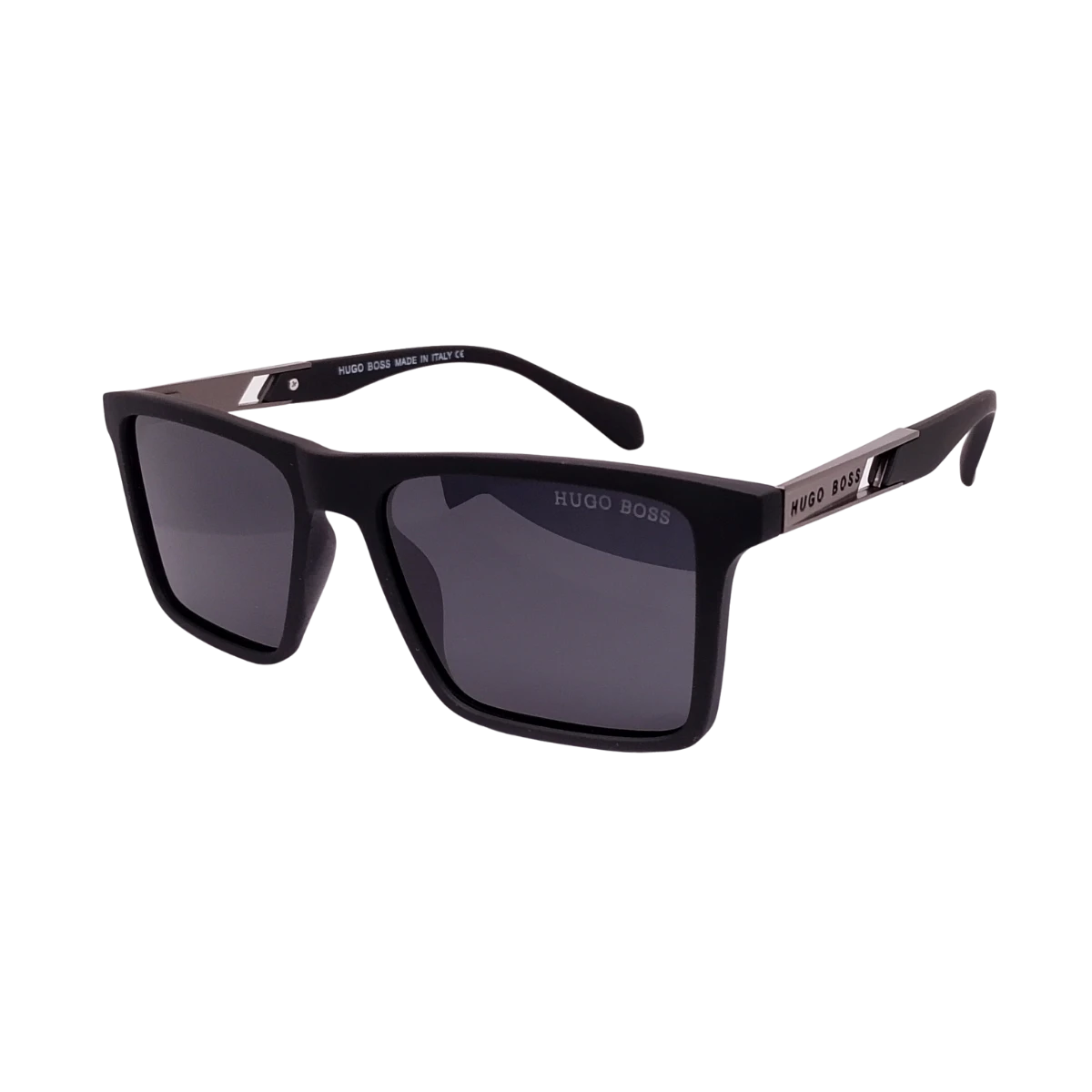
Sunglasses price guide for Bangladesh — 2026 ranges
Here’s what you should expect to pay at each tier in the BD market. All prices reflect sunglasses with lenses already included — no prescription modification.
| Tier | Price range (BDT) | Typical lens type | Who it’s for |
|---|---|---|---|
| Affordable polarized | ৳1,350 – ৳1,700 | Polarized TAC lens, TR90 or acetate frame, UV-400 | Daily commuters, students, first-time sunglass buyers |
| Mid-range quality | ৳1,800 – ৳4,500 | Polarized CR39 lens, metal or high-grade TR90 frame, scratch-resistant coating | Office professionals, weekend drivers, regular outdoor users |
| Premium branded | ৳6,500 – ৳12,000 | Polarized mineral or high-index lens, Carrera / Lacoste / Marc Jacobs frame, hydrophobic coating | Long-distance drivers, executives, fashion-conscious buyers |
| Luxury / statement | ৳12,000 – ৳25,000+ | Maui Jim PolarizedPlus2, Tom Ford, Gucci — full mineral lens, multi-coat | Gift purchases, long-term investment buyers, professionals who wear sunglasses daily for years |
Prices reflect 2026 BD market rates at Nine Optic. Branded luxury prices may vary ±15% based on global import costs.
Lens technology explained: polarized vs UV-400 vs photochromic
These three terms are often used interchangeably in Bangladeshi social media posts — they’re not the same thing, and understanding the difference will save you from making the wrong choice.
UV-400 protection is a rating, not a lens type. It means the lens blocks 100% of UV rays up to 400nm. Any good sunglass — polarized or not — should have this. It’s the baseline minimum. A lens that only has UV-400 (no polarization) will protect your eye tissue but won’t reduce glare.
Polarized lenses add a horizontal-blocking filter on top of UV protection. They eliminate reflected glare from roads, water, car bonnets, and wet surfaces. For Bangladesh’s monsoon season and Dhaka’s flooded streets, polarized lenses are genuinely transformative. Driving in rain with polarized sunglasses is a completely different experience. The downside: they make LCD screens (ATM screens, dashboards, phone screens) look slightly darker or discoloured.
Photochromic (transition) sunglass lenses darken automatically in sunlight and lighten indoors. They’re the most versatile option for Bangladesh’s in-and-out lifestyle — moving from air-conditioned offices to bright outdoor streets 5–10 times a day. The limitation: they don’t darken as quickly in cars (windshields block the UV that triggers the darkening reaction), and they’re more expensive. A photochromic sunglass lens in BD typically costs ৳3,500–৳6,000 more than a standard lens.
Our recommendation for most Bangladeshi buyers: Start with a polarized UV-400 lens. If your lifestyle involves frequent transitions between indoor and outdoor environments more than 8 times daily, consider photochromic. If you drive more than 2 hours a day, polarized is non-negotiable.
How to choose sunglasses for your face shape and lifestyle in Bangladesh
The best sunglass frame for Bangladesh weather isn’t just about UV spec — it’s about fit, coverage, and how you’ll actually use them.
- Round face (common in BD): Rectangular or square frames add definition. Avoid round or oval lenses — they’ll make the face look wider.
- Oval face: Almost any frame works. Aviator and wayfarer styles are universally flattering on oval faces and suit both formal and casual looks.
- Square face: Round or oval lenses soften the jawline. Narrow frames look elegant; oversized square frames can overwhelm.
- Heart-shaped face: Frames that are wider at the bottom than the top — like aviators or butterfly frames — balance a narrower jaw.
Beyond face shape, think about your use case:
- Daily Dhaka commuting: Go for wraparound coverage — frames that sit close to the face block peripheral UV that flat frames miss. Dark grey or brown lenses provide the most natural colour perception in traffic.
- Driving: Brown-tinted polarized lenses enhance contrast on roads better than grey. They make road markings and hazards slightly sharper.
- Beach / Cox’s Bazar / water activities: Mirror-coated lenses on top of polarization reduce glare from water surfaces by another 30–40%.
- Office to outdoor (mixed use): Photochromic lenses, or a mid-tint (40–60% light transmission) that works reasonably in both environments.
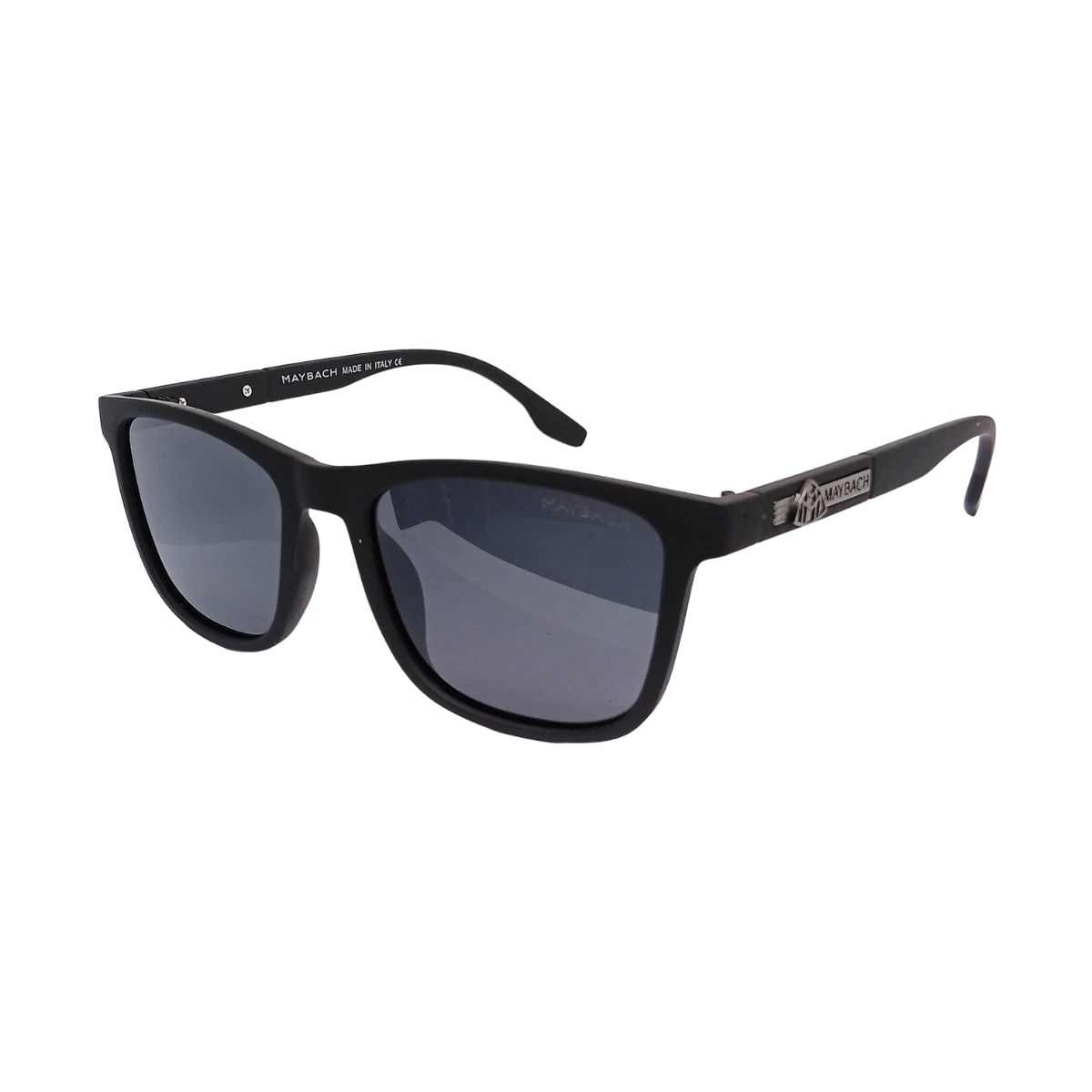
Pros and cons of polarized sunglasses for Bangladesh — the honest list
Pros:
- Dramatically reduces monsoon road glare — the single biggest eye comfort issue for Dhaka drivers and commuters.
- Reduces eye fatigue on long outdoor exposures — meaningful if you’re travelling between districts, on a construction site, or working outdoors.
- Makes wet surfaces, puddles, and flooded roads easier to judge — a genuine safety benefit during monsoon season.
- Available in Bangladesh from ৳1,350 — no longer a premium-only product.
Cons:
- LCD screens look slightly faded or discoloured when viewed through polarized lenses — minor inconvenience for smartphone users.
- Not ideal for low-light conditions like overcast mornings or twilight driving — the polarization filter reduces overall light transmission.
- Scratch more easily than non-polarized lenses if the scratch-resistant coating is thin (common in very cheap pairs).
- Genuine polarized lenses cost more to manufacture — so a ৳400 “polarized” pair from a market stall almost certainly isn’t.
The 3 biggest sunglass mistakes Bangladeshi buyers make
1. Buying “UV protection” sunglasses without verifying the UV-400 rating. This is the most dangerous mistake. In Bangladesh’s unregulated market, “UV protection” is printed on sunglasses that provide no measurable UV blocking. The correct claim is “UV-400” — a specific standard, not a marketing phrase. When buying online, check the product description for “UV-400” or “100% UV protection up to 400nm.” If it just says “UV protection” with no number, treat it as unverified.
2. Choosing too-dark lenses for monsoon driving. Dark grey lenses (80%+ light reduction) are great for bright sunshine but dangerous in heavy rain, which reduces ambient light significantly. If you drive in monsoon conditions, choose a medium-tint polarized lens (60–70% light reduction) that handles both bright sun and heavy rain. Nine Optic’s grey and brown polarized options in the ৳1,450–৳1,700 range hit this balance well.
3. Ignoring frame coverage on the sides. A flat, fashionable frame that sits far from your face looks stylish but allows UV to enter from the sides — which is where most reflected UV (especially from roads and water) comes from in Bangladesh’s flat terrain. For serious UV protection, choose frames with a slight wrap or close fit, or add side shields if you’re in a high-exposure job (construction, agriculture, transportation).
Where to buy authentic sunglasses in Bangladesh
Nine Optic stocks sunglasses across all four price tiers — from ৳1,350 polarized UV-400 everyday pairs to premium Maui Jim, Tom Ford, and Gucci sunglasses with full mineral-glass polarized lenses. Every pair sold comes with authentic lens documentation, and our in-house Dhaka optical lab can fit prescription lenses into most sunglass frames if you need vision correction combined with sun protection.
What Nine Optic customers get:
- Free home trial across Dhaka: Try sunglasses at home before committing — see how they look outdoors in actual BD sunlight, not in a showroom.
- 7-day exchange if the frame or tint doesn’t suit after you’ve worn them a few days.
- COD across all 64 districts — no advance payment needed outside Dhaka.
- Prescription sunglass service: Upload your prescription and we’ll cut polarized or photochromic lenses to your power.
- Authentic UV-400 verification — every Nine Optic sunglass carries confirmed UV-400 spec documentation.
Also see our complete guide to buying eyewear online in Bangladesh for more on how to verify authentic products and navigate the BD market safely.
Browse the full Nine Optic sunglasses collection →
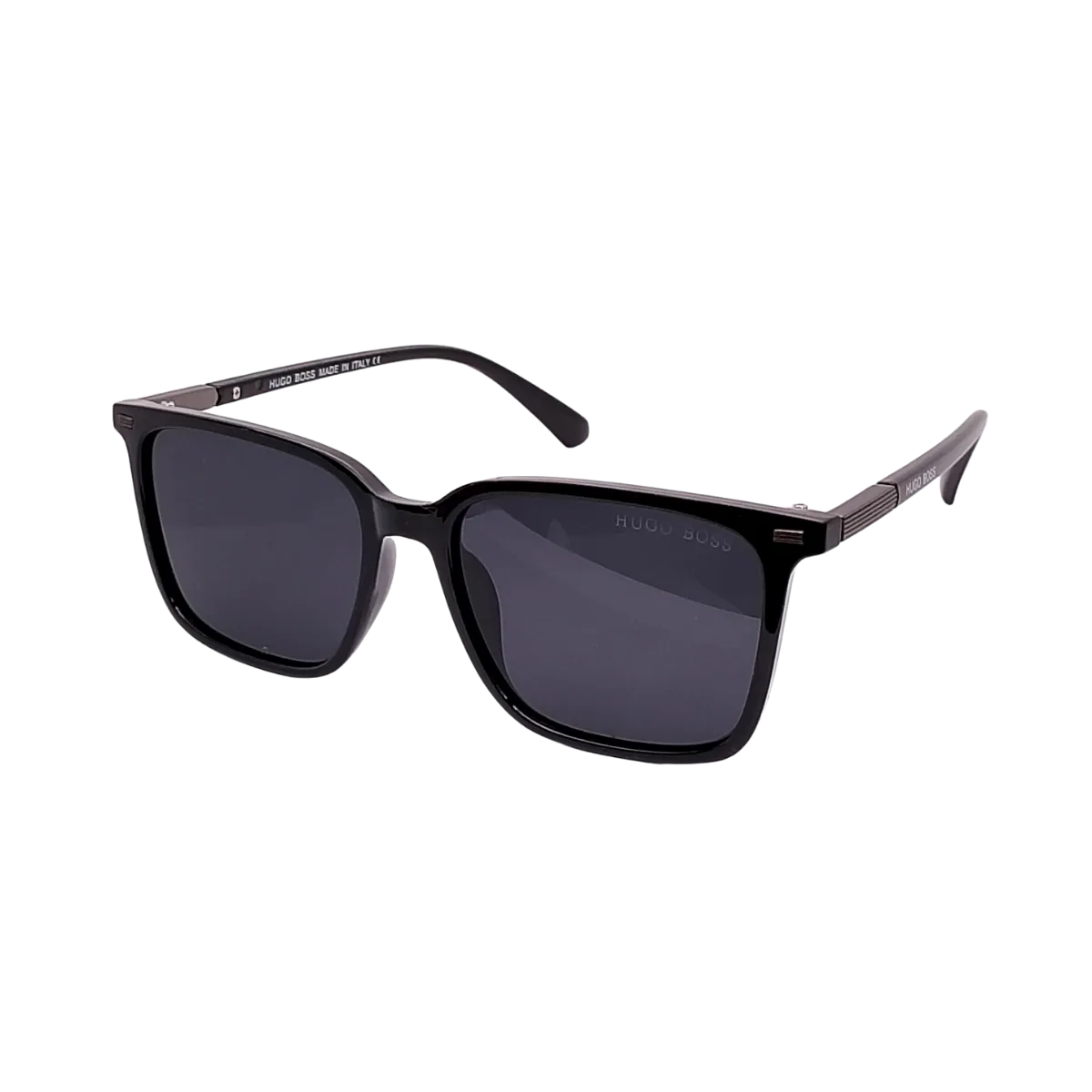
How to care for your sunglasses in Bangladesh’s heat and humidity
- Never leave sunglasses in a car dashboard in summer. Interior car temperatures in Bangladesh can exceed 70°C during May–June. At that heat, polarized film delaminates and acetate frames warp permanently. Keep them in your bag or in the glove compartment (cooler side).
- Rinse before wiping after outdoor use. Dust and pollution particles in Dhaka’s air are abrasive. Wiping a dry, dusty lens with a cloth grinds particles into the coating. Rinse under cold water first, then wipe with a clean microfiber cloth.
- Store in a hard case during monsoon. Soft pouches collapse under bag pressure and the lens edges can scratch each other. A hard case keeps sunglass frames in shape during the daily crush of Dhaka commuting.
- Don’t use hand sanitiser or alcohol wipes on lenses. During COVID, many Bangladeshi buyers damaged coatings with alcohol-based sanitisers. Alcohol strips anti-reflective and hydrophobic coatings within weeks.
- Check hinges every 3 months. The hinge screws on affordable sunglass frames loosen faster in Bangladesh’s humidity. A loose hinge leads to asymmetric fit and pressure on one side of the nose — bring them to any optical shop for a free tightening.
Frequently Asked Questions
Which sunglasses give the best UV protection in Bangladesh?
Any sunglasses labelled “UV-400” block 100% of UV rays — that’s the maximum protection available. The frame style also matters: a wraparound or close-fitting frame prevents UV from entering at the sides, which is important in Bangladesh’s high-UV-index months (April–August, UV index 11–12). Nine Optic’s polarized collection starts at ৳1,350 and all pairs carry genuine UV-400 certification.
Are polarized sunglasses better for Bangladesh’s monsoon season?
Yes — for driving and commuting in monsoon conditions, polarized lenses are significantly better than standard tinted lenses. Wet roads, flooded streets, and rain-slicked surfaces create intense horizontal glare that polarized lenses cut almost completely. Non-polarized tinted lenses just dim the entire scene without removing glare, making wet-weather visibility worse, not better.
What is UV-400 and why does it matter in Bangladesh?
UV-400 means the lens blocks all ultraviolet radiation with wavelengths up to 400 nanometres, covering both UV-A (320–400nm) and UV-B (280–320nm). Bangladesh has one of the highest UV indices in South Asia — regularly hitting the “extreme” category (UV index 11+) between April and August. Long-term unprotected UV exposure causes cataracts, pterygium (a painful eye growth very common in Bangladesh), and macular degeneration. UV-400 sunglasses, worn consistently, significantly reduce this cumulative damage.
What is the lowest price for genuine polarized sunglasses in Bangladesh?
At Nine Optic, genuine polarized UV-400 sunglasses start at ৳1,350. Anything below ৳800 in the BD market is almost certainly a non-polarized tinted lens regardless of what the label says. A quick test: hold a polarized lens at 90 degrees to another polarized surface — if the view goes almost black, it’s genuine. If nothing changes, it’s not polarized.
Can I get prescription sunglasses in Bangladesh?
Yes. Nine Optic’s optical lab can fit polarized or photochromic lenses to your prescription in most sunglass frames. Standard single-vision prescription sunglass lenses start from ৳2,500–৳4,500 above the frame cost, depending on your power and lens index. Progressive prescription sunglasses are also available. See our polarized sunglasses page for details on prescription options.
Do sunglasses really prevent cataracts?
Consistent UV-400 sunglass use from an early age significantly reduces cumulative UV damage to the lens of the eye — one of the main risk factors for age-related cataracts. It’s not a guarantee (cataracts have multiple causes), but ophthalmologists in Bangladesh and globally consistently recommend UV-400 sunglasses as a primary preventive measure, especially for outdoor workers and frequent drivers.
Are mirrored sunglasses good for Bangladesh’s heat?
Yes — mirror-coated sunglasses reflect a portion of incoming light before it even reaches the tinted lens, which reduces heat and glare in very bright conditions like beaches, open-air markets, and rice fields under direct noon sun. For urban Dhaka use, a standard polarized lens is sufficient. For Cox’s Bazar, Sundarbans, or extended outdoor fieldwork in summer, mirror-coated polarized is worth the small extra cost.
Does Nine Optic deliver sunglasses outside Dhaka?
Yes — Cash on Delivery is available to all 64 districts of Bangladesh, with free shipping on orders above ৳2,000. Home trial (try-before-you-buy, available for selected frames) runs within Dhaka city. For customers outside Dhaka, our team can assist via WhatsApp at 01715-846007 with frame selection and prescription verification before you order.
Final word: match the sunglass to the season
Bangladesh doesn’t have one kind of sun — it has four distinct light environments across the year, and the best sunglass for Dhaka’s scorching May is different from the best one for Sylhet’s foggy January morning or Cox’s Bazar’s glittering noon. The honest answer isn’t a single product recommendation — it’s a framework.
If you spend most of your time commuting in Dhaka and want one pair that works year-round: go for a brown polarized UV-400 in the ৳1,450–৳1,700 range. Brown enhances road contrast, polarization cuts monsoon glare, and the price doesn’t hurt if you scratch it in six months.
If you drive 2+ hours daily or work outdoors: upgrade to the ৳3,000–৳6,000 mid-range with a scratch-resistant hydrophobic coating. The coating alone is worth the extra spend — it survives BD’s dust-then-rain weather cycle without degrading in a season.
And if you’re buying for the long term — for a parent, for a gift, or as your one premium outdoor investment — the Maui Jim and branded options at ৳9,900–৳12,000 are genuinely in a different class. Real mineral glass, the best polarization technology in the market, and frames built to last a decade in tropical humidity.
Browse Nine Optic’s full sunglasses collection → · Polarized, UV-400, prescription options available · Free home trial in Dhaka · COD across Bangladesh.
Also in this series: Rimless Eyeglasses Bangladesh Price Guide 2026 · Best Online Eyewear Store in Bangladesh
Share This Story, Choose Your Platform!
About the author : Khurshid Zaman

Optician, Nine Optic