How Facebook Quietly Brought Eye Care to Rural Bangladesh
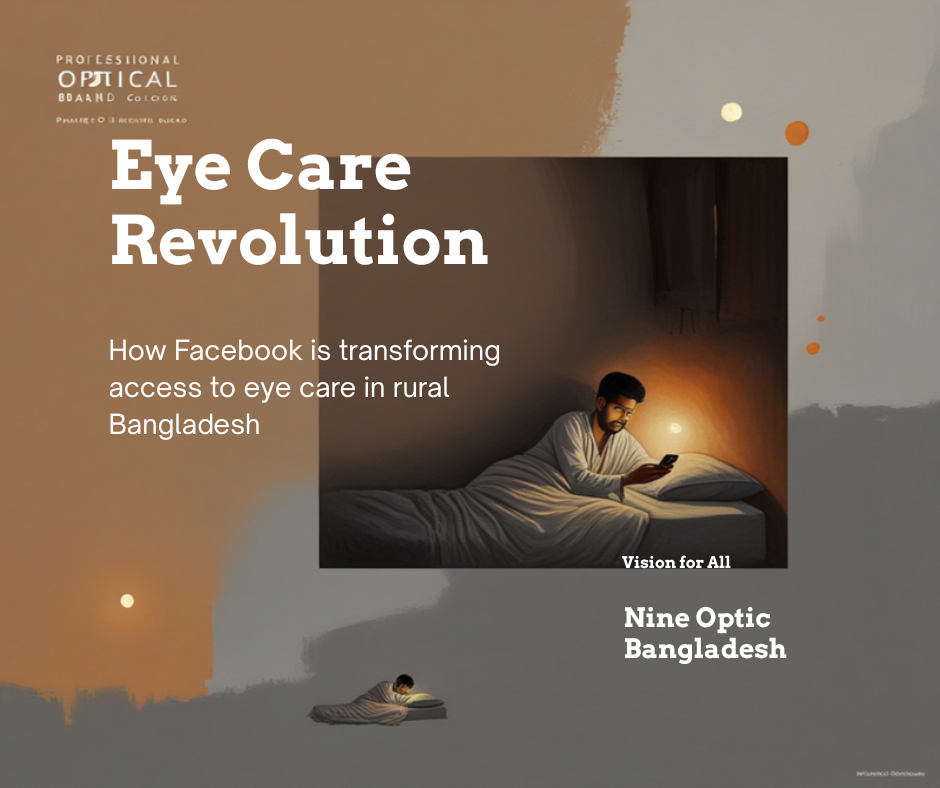
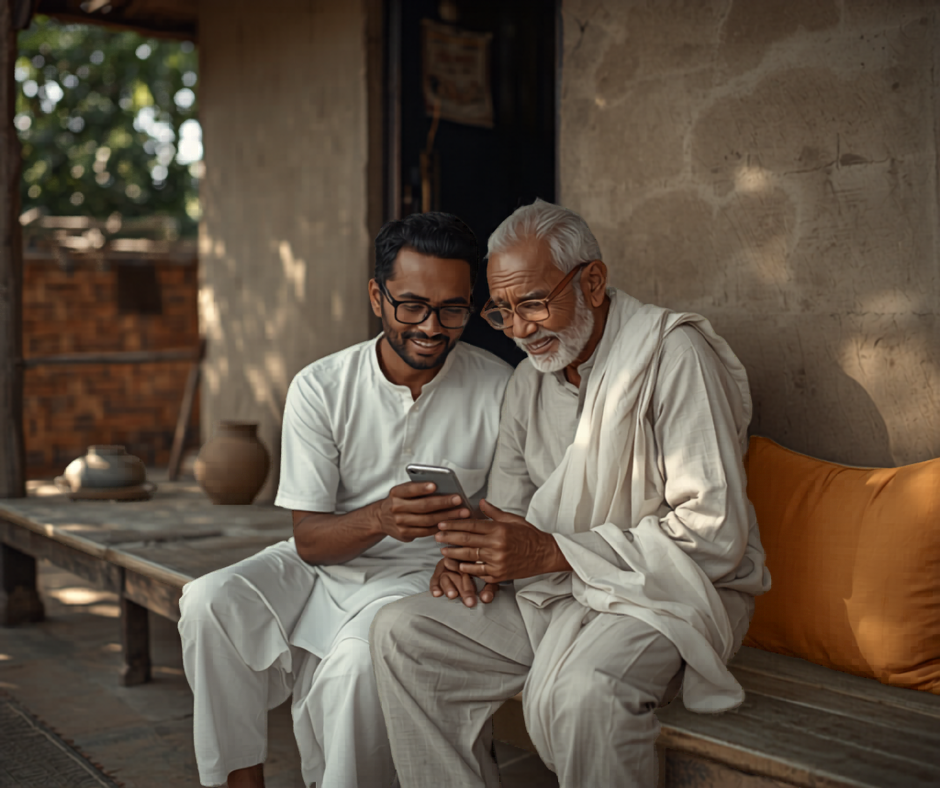
Shobuj works long days at a furniture shop in the city, far from the village where his parents still live. Every night, after the noise of the saw and the hammer fades, he lies on his narrow bed and opens Facebook on his phone. It is his window home, the place where he sees his cousin’s new baby and his neighbour’s rice harvest. One ordinary evening, between a wedding photo and a funny video, a short clip appeared on his screen. It showed an older man in a village much like his own, smiling as he read a newspaper through a new pair of glasses. A gentle voice explained that blurry near vision after forty is normal, that it has a simple fix, and that the glasses could be delivered to any village in the country. Shobuj sat up. He thought of his father, who had stopped reading the Quran because the letters had grown faint, and who lived nowhere near an eye doctor. That little video changed everything for their family.
Stories like this are happening across Bangladesh every single night, and they explain something quietly remarkable. The bridge that finally connected rural families to proper eye care was not a new road or a new clinic. It was Facebook.
The shop that came to the village
For generations, eye care in Bangladesh waited behind a counter in the city. If your sight blurred, you were expected to travel to find help, which meant most village families never went at all. The cost, the distance, and the worry kept them away. According to the World Health Organization, roughly two out of three people in lower income countries who need glasses simply do not have them, and a great many of them live exactly in places like Shobuj’s village, where no optical shop ever opened its doors.
Then the smartphone arrived, and it arrived everywhere. Today a farmer checks the weather on the same device his daughter uses for college lessons, and almost all of them spend part of their evening on Facebook. This is where the old problem met a new answer. Instead of asking villages to come to a shop, Nine Optic let the shop travel to the villages through the one screen nearly everyone already holds in their hands. A message about clear vision could now reach a remote home as easily as it reached a city apartment.
Reaching the right people at the right moment
What makes Facebook so powerful is not only its reach but its timing and its aim. The platform allows a careful message to find the people who most need it, in the districts that have long been ignored, at the hour when they are relaxed and paying attention. A short and honest video about reading glasses can appear in front of a fifty year old shopkeeper in a small town who has been squinting at his ledger for months without knowing there was an easy remedy. He is not pulled away from his day or pressured in a shop. He simply watches, recognises his own struggle, and learns that help exists.
This gentle form of discovery is the heart of it. For most rural customers, that first video or post is the very moment they understand that their fading near vision has a name, presbyopia, and a solution that costs far less than a trip to the city. Nine Optic has reached around 50,000 customers this way, many of them people who had never once visited an optical shop. The campaign did not feel like advertising to them. It felt like someone finally explaining a problem they had carried in silence, and the same approach is described in our story about how Nine Optic is bringing clear vision to rural Bangladesh.
Turning a stranger online into a trusting customer
Reaching someone is only the beginning. The harder task, especially in rural areas, is earning trust. Many village families have heard stories of online scams, fake products, and money paid for goods that never came. A glowing advertisement alone would never be enough to make a careful person hand over their savings. So the trust had to be built patiently, piece by piece, right there inside Facebook.
It was built through real customer reviews and photos that neighbours could relate to, through clear and simple explanations rather than loud claims, and through honest answers in the comments and messages where people asked their nervous questions. Most importantly, it was built through cash on delivery, which let a first time buyer pay only after the parcel was safely in their hands. That single promise removed the deepest fear of all, the fear of paying first and trusting later. A person could order in the evening, receive the glasses at their door, try them on, and only then take out their money. Once a few people in a village did this and saw it work, word spread along the same paths that gossip and good news always travel, and trust grew faster than any advertisement could ever buy. You can see how simple the ordering itself is in our guide on how to order prescription glasses online in Bangladesh.
More than glasses, a feeling of being seen
For Shobuj, it began with one tap on a video and ended with his father reading the Quran aloud again after the evening prayer, his voice steady and his eyes calm. Multiply that single moment by tens of thousands of homes and you begin to understand what this quiet shift has meant. Facebook did not just sell glasses to rural Bangladesh. It carried awareness into places that had been left in the dark, it gave careful people a safe way to say yes, and it told millions of villagers that their comfort mattered too. The same screen they once used only to watch the world now brings the world a little closer to their own eyes. If your family has put off clear vision because the shop always felt too far, you can explore the reading glasses collection and let the right pair come to your door, the same way it came to Shobuj’s father.
Frequently asked questions
How does Facebook actually help rural people get eye care?
Facebook lets a clear and honest message about reading glasses reach people in remote districts who have no optical shop nearby. Many villagers learn for the first time that their blurry near vision is normal and easily fixed, and they can order glasses delivered to their home without ever travelling to a city.
Is it safe to buy glasses from a Facebook page in Bangladesh?
It can be, when the seller offers real customer reviews, honest answers to questions, and cash on delivery so you pay only after the parcel arrives. Nine Optic uses all three, which lets first time buyers try the glasses at their door before handing over any money.
Why is cash on delivery so important for rural customers?
Cash on delivery removes the biggest fear in online shopping, which is paying first and hoping the product arrives. By paying only when the glasses are in hand, a careful village buyer can trust the process, and this single feature has helped thousands of rural families order with confidence.
How did Nine Optic reach 50,000 customers through social media?
By meeting people where they already spend their evenings. Short, honest videos and posts explained presbyopia and reading glasses in simple language, real reviews built trust, and cash on delivery made saying yes safe. Word then spread from neighbour to neighbour across villages.
Do I need an eye test before ordering reading glasses online?
For ordinary age related near blur, usually no. Reading power can be estimated well from your age and a few simple questions about how you read, and an easy exchange is available if the first pair needs adjusting. Anyone with pain or unusual symptoms should still see an eye specialist.
Share This Story, Choose Your Platform!
About the author : Dr. Salma Akter

Eye Specialist, Renevo Eye Hospital, Dhaka