Blue Light From Mobile Screens: Eye Damage Explained | Nine Optic Bangladesh
Bangladeshis spend an average of 7–9 hours daily on smartphones, laptops, and tablets. Every one of those hours exposes your eyes to high-energy blue light — a type of short-wavelength light that penetrates deep into your retina. This guide explains exactly what blue light does to your eyes and how anti-blue light glasses from Nine Optic can protect your vision.
What Is Blue Light?
Blue light is part of the visible light spectrum with a wavelength of 400–500 nanometers. It has the highest energy among visible light frequencies. Natural sunlight is the largest source, but digital screens (phones, laptops, TVs, tablets) emit concentrated artificial blue light directly at your eyes from very close distances — far more intense per area than sunlight.
How Blue Light Damages Your Eyes
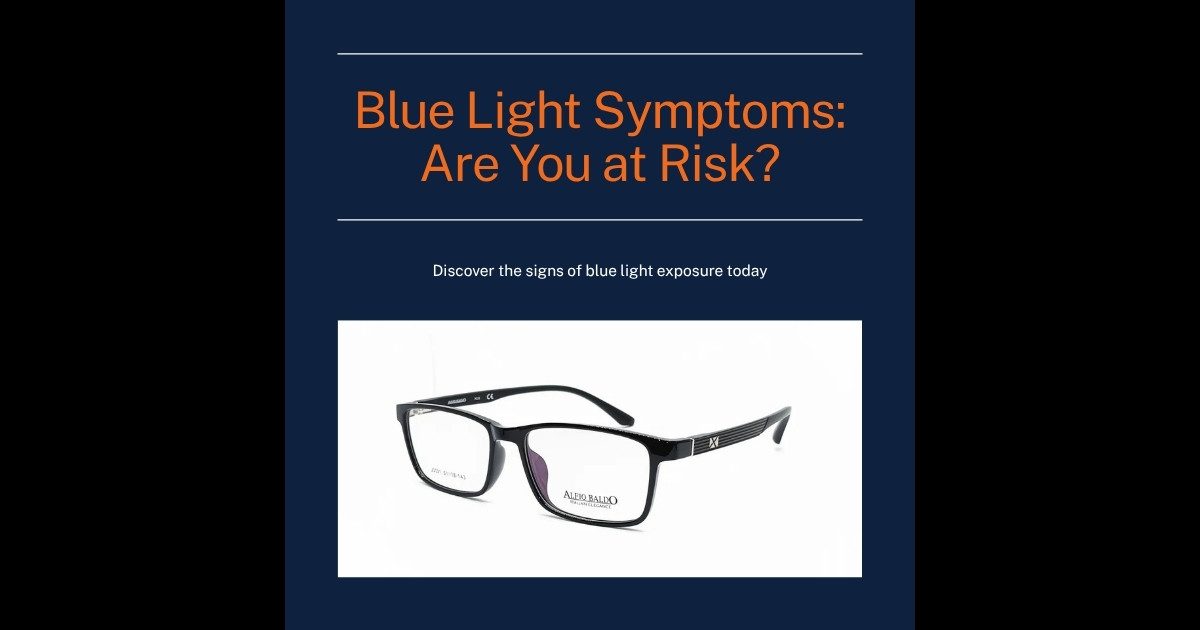
Blue light at 400–450nm (the most harmful range) penetrates through the cornea and lens directly to the retina. Repeated exposure causes:
- Digital Eye Strain (DES): Tired, burning, or itching eyes after screen use
- Dry Eyes: You blink 60% less when using screens, reducing lubrication
- Headaches: Eye muscle fatigue from constantly focusing on near screens
- Blurred Vision: Temporary difficulty focusing after long screen sessions
- Sleep Disruption: Blue light suppresses melatonin production, delaying sleep
- Retinal Stress: Long-term cumulative exposure may accelerate macular degeneration
Who Is Most at Risk in Bangladesh?
Given Bangladesh’s growing digital economy and rising smartphone usage, the following groups are at highest risk:
| Group | Avg. Daily Screen Time | Risk Level |
|---|---|---|
| Office workers (IT/banking/garments) | 8–10 hours | Very High |
| Students (SSC/HSC/University) | 6–9 hours | High |
| Social media users | 4–6 hours | High |
| Freelancers / remote workers | 10–12 hours | Extreme |
| Children (under 15) | 3–5 hours | High (developing eyes) |
What Are Blue Cut Glasses?
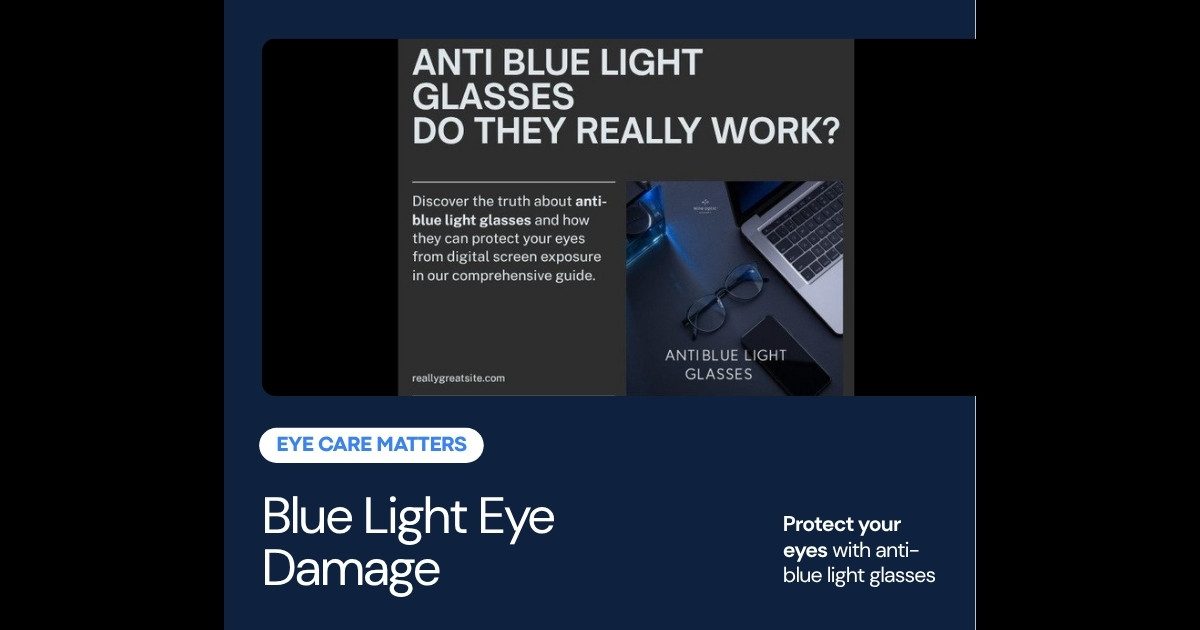
Blue cut glasses (also called anti-blue light glasses or computer glasses) have a special lens coating that filters high-energy blue light in the 400–450nm harmful range. The coating partially reflects blue light before it reaches your eyes, significantly reducing strain. They look like regular glasses but your eyes feel the difference after just a few hours of screen use.
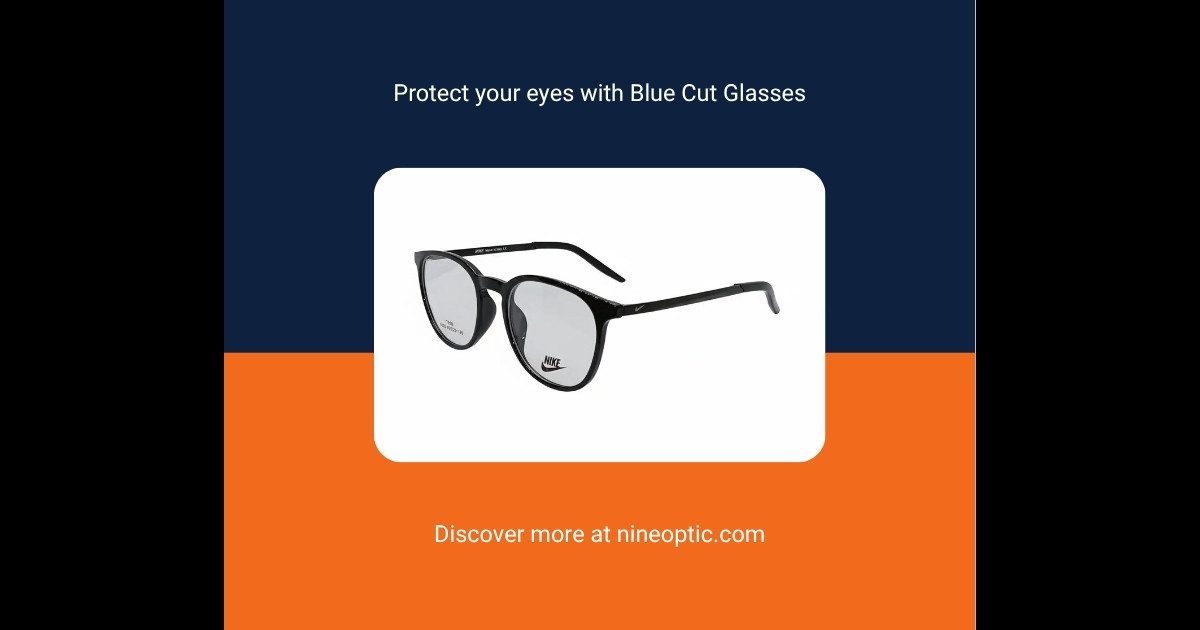
Blue Cut Glasses vs Regular Glasses vs No Glasses
Many people wonder if blue cut glasses make a real difference. Here is a direct comparison of what each option offers for screen users:
- No glasses: 100% blue light exposure, maximum eye strain, disrupted sleep
- Regular prescription glasses: Corrects vision but zero blue light protection
- Blue cut glasses (non-prescription): Filters harmful blue light, reduces strain, no vision correction
- Blue cut + prescription: Corrects vision AND filters blue light — the complete solution
How to Use the 20-20-20 Rule Alongside Blue Cut Glasses
Even with blue cut glasses, eye doctors recommend the 20-20-20 rule: every 20 minutes, look at something 20 feet (6 meters) away for 20 seconds. This relaxes your eye muscles. Blue cut glasses reduce light-based damage; the 20-20-20 rule reduces muscle strain from constant near-focus. Together, they give your eyes the best protection during long screen sessions.
Blue Cut Glasses at Nine Optic Bangladesh
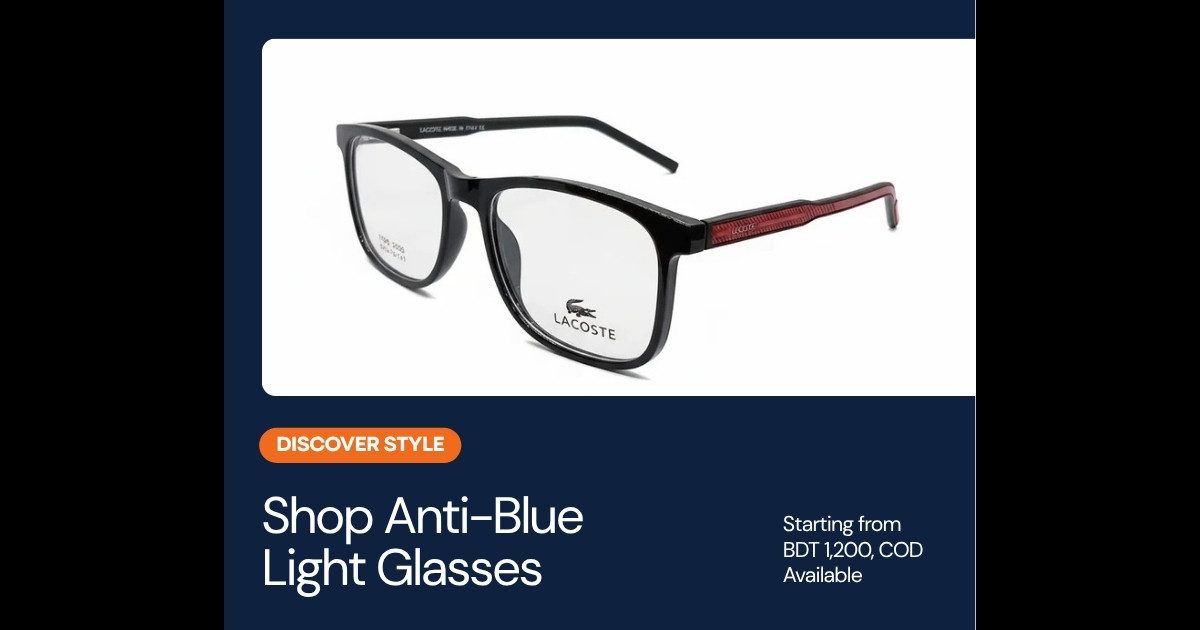
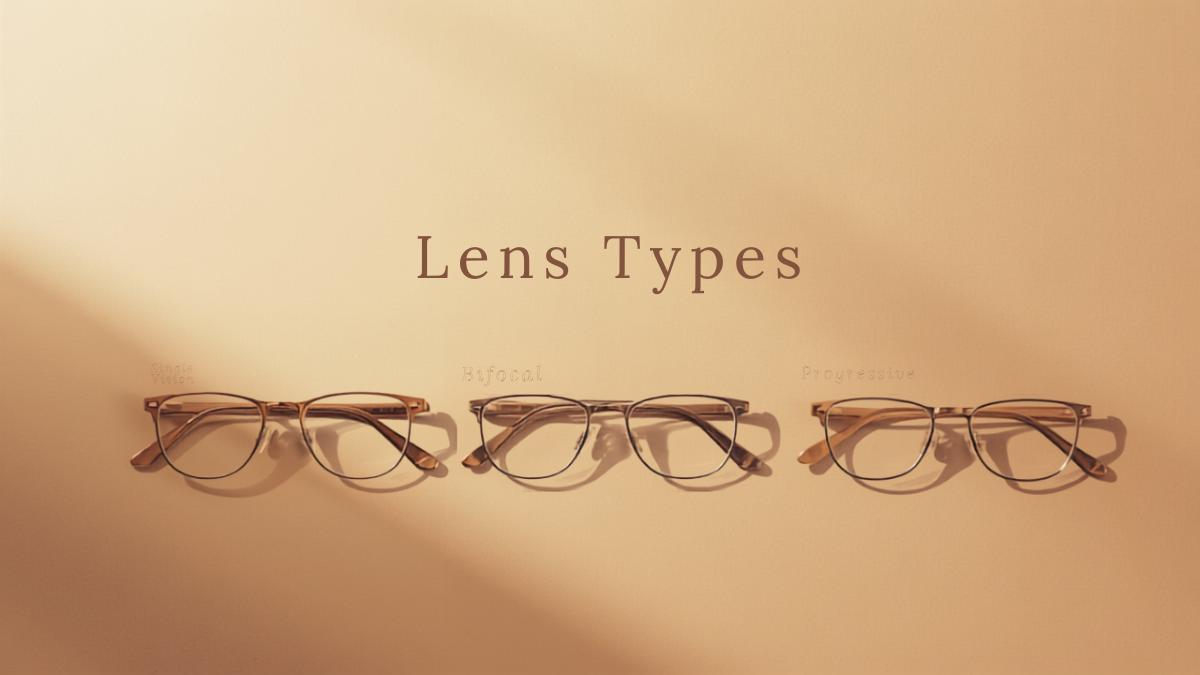
Nine Optic offers blue cut lenses across its full range of frames — from affordable everyday styles to premium imported frames from brands like Alfio Raldo, Nike, and Lacoste. Blue cut can be added to any prescription including single vision, progressive, and zero power. Prices start from BDT 1,200 for basic blue cut lenses, with premium options up to BDT 3,500.
Tips to Reduce Blue Light Exposure
- Wear blue cut glasses during all screen use (phone, laptop, TV)
- Enable Night Mode or Eye Comfort Shield on your phone after 8 PM
- Keep phone brightness at 50–60% — not maximum
- Hold your phone at least 30–40 cm from your face
- Take regular breaks — even 5 minutes of eye rest helps
- Avoid screen use 1 hour before bedtime for better sleep
When to Visit an Eye Doctor
If you experience persistent eye pain, sudden vision changes, flashes of light, or floaters, see an ophthalmologist immediately. Blue cut glasses address screen-related discomfort — they do not treat underlying eye conditions. If your eye strain persists despite wearing blue cut glasses and taking regular breaks, get a full eye examination.
Frequently Asked Questions
Does blue light from mobile phones damage eyes?
Yes. Prolonged exposure causes digital eye strain, dry eyes, headaches, and disrupts sleep by suppressing melatonin. Long-term exposure may also stress retinal cells.
What are blue cut glasses?
Blue cut glasses have a special lens coating that filters harmful blue light (400–450nm) from screens, reducing eye strain and fatigue.
Do blue cut glasses actually work?
Yes. Most users report significantly less eye fatigue, fewer headaches, and better sleep quality after regular use of blue cut glasses during screen time.
Can I get blue cut glasses with prescription in Bangladesh?
Yes. Nine Optic offers blue cut lenses with any prescription power — single vision, progressive, bifocal — with nationwide delivery and COD available.
What is the price of blue cut glasses in Bangladesh?
Blue cut glasses at Nine Optic start from BDT 1,200. Premium anti-blue light lenses range from BDT 2,000 to 3,500 depending on lens quality and coating.
Should I wear blue light glasses all day?
You can safely wear blue cut glasses all day. They are most effective during screen use but cause no harm when worn continuously.
How many hours on screen causes eye damage?
4+ hours of unprotected daily screen use can cause noticeable eye strain. Most Bangladeshi office workers and students exceed this daily limit.
How do I know if my glasses have blue cut coating?
Blue cut lenses show a faint blue-purple reflection under light. You can verify by shining a blue light pen at the lens — blue cut lenses block most of it.
Share This Story, Choose Your Platform!
About the author : Dr. Asifur Rahman

Senior Consultant, Bangladesh Eye Hospital, Dhaka