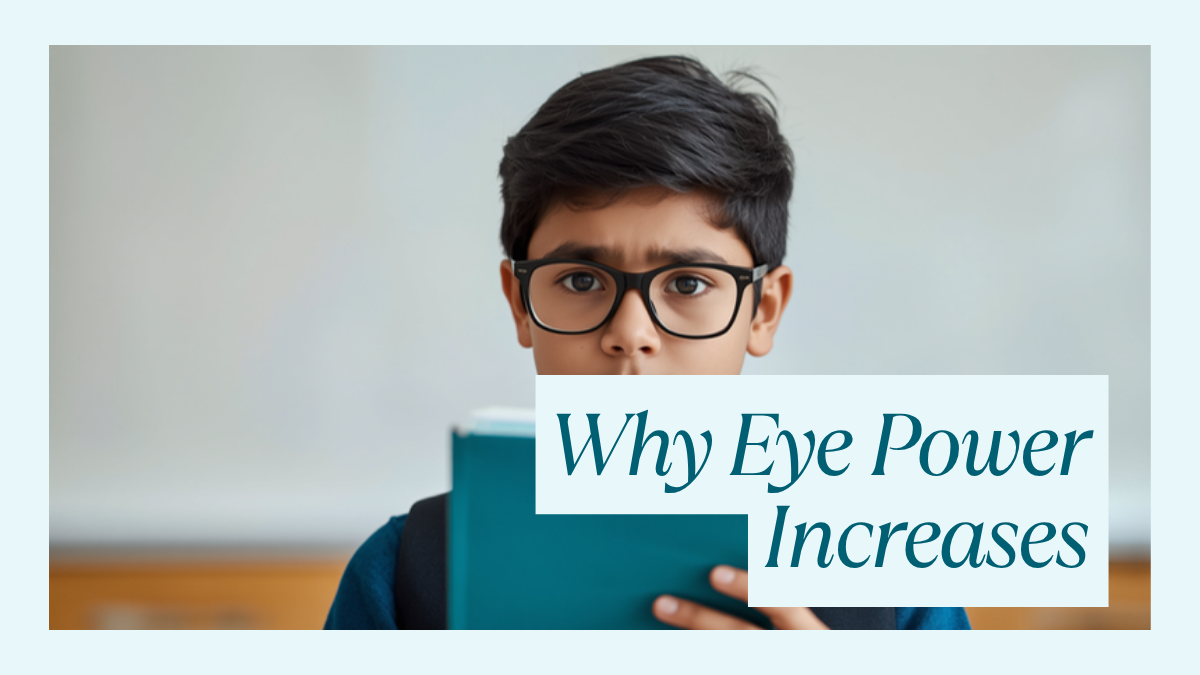
Why Eye Power Increases — and How to Slow It Down (চোখের পাওয়ার)
Every year the prescription gets a little stronger. The glasses that were perfect last year now feel weak, and your child is squinting at the television again. For countless families in Bangladesh, rising eye power — চোখের পাওয়ার বেড়ে যাওয়া — is a real worry. The good news is that once you understand why it happens, there is a lot you can do to slow it down.
What “eye power” really means
When we talk about eye power, we usually mean myopia (near-sightedness) — distant objects look blurry while close ones stay clear. It happens when the eyeball grows slightly too long, so light focuses just in front of the retina instead of on it. Glasses or contact lenses simply move that focus back into place. They correct your vision beautifully, but they do not change the shape of the eye itself.
Why does eye power increase?
Eye power rarely jumps for one single reason. It is usually a mix of factors working together:
- Genetics — if one or both parents wear strong glasses, children are more likely to as well.
- Too much close-up work — hours of reading, studying, and especially phones held close to the face.
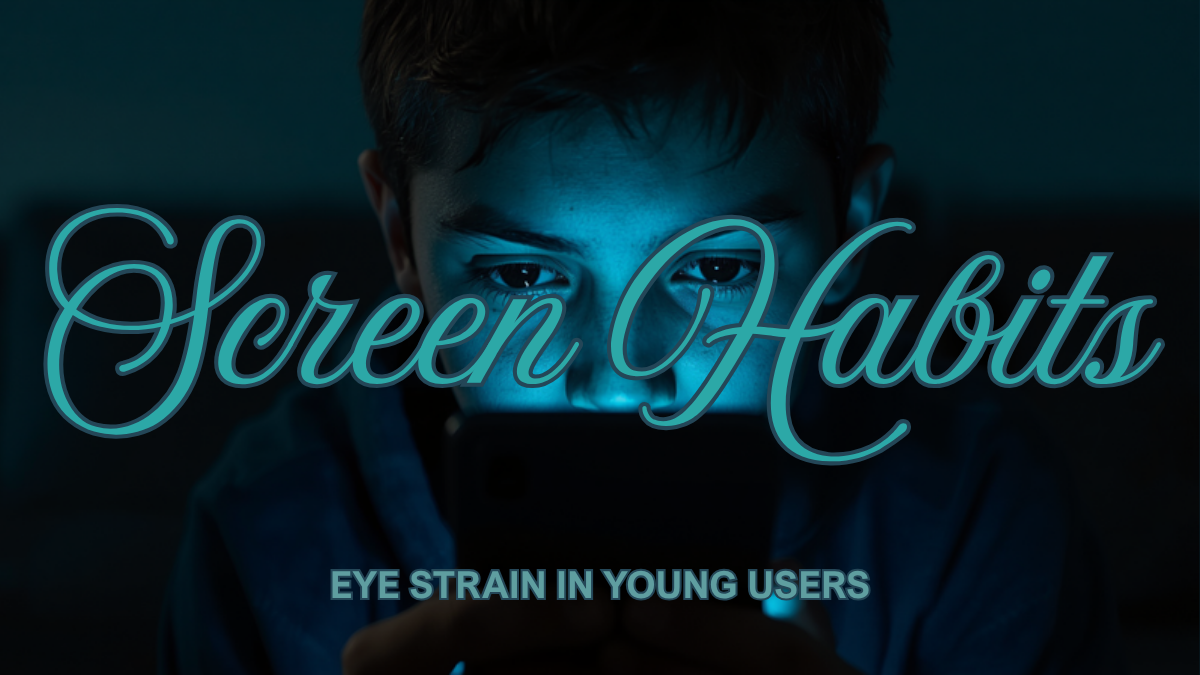
- Screen time — long, unbroken sessions on phones, tablets, and computers strain the focusing system.
- Too little outdoor time — research links a lack of natural daylight with faster myopia progression in children.
- Natural growth — in children and teenagers, the eye is still growing, so power often rises until the late teens or early twenties.
Can you actually reduce eye power?
Let’s be honest, because there is a lot of misinformation about this. No exercise, food, or pair of glasses can “cure” myopia or reverse the length of the eye. What you can do is slow how fast it gets worse, especially in children whose eyes are still developing. In most adults, power naturally stabilises by the mid-twenties. Procedures like LASIK can later correct vision, but they too are a correction — not a cure for the underlying eye shape. The American Academy of Ophthalmology has helpful, balanced information on this.
How to slow it down
These simple habits genuinely help — and they matter most for school-aged children:
- Spend more time outdoors. Aim for 1–2 hours of daylight a day; it is one of the best-proven ways to slow myopia in children.
- Use the 20-20-20 rule. Every 20 minutes of close work, look 20 feet away for 20 seconds. (See our guide to digital eye strain.)
- Keep screens at a healthy distance and limit recreational screen time, especially for young children.
- Read in good light and hold books and phones at a comfortable arm’s distance.
- Get regular eye tests so any change is caught early and corrected accurately.

When to get an eye test
Book a check-up if your child sits very close to the TV, holds books unusually near, squints, complains of headaches, or struggles to see the board at school. Adults should test their eyes every one to two years, or sooner if vision changes. An accurate, up-to-date prescription is the foundation of comfortable, healthy sight — learn how to read your prescription here.
The easy first step: get an accurate eye test and the right lenses. With Nine Optic’s free home try-on, you can sort it out from home and pay cash on delivery.
Frequently Asked Questions
Does wearing glasses make eye power increase faster?
No. This is a common myth. Wearing the correct glasses does not worsen your eyes; it simply gives you clear, comfortable vision. Power changes happen because of eye growth and habits, not the glasses.
Can eye power be reduced naturally?
No food or exercise reverses myopia, but good habits — outdoor time, screen breaks, and proper lighting — can slow how fast it increases, especially in children.
At what age does eye power usually stop increasing?
For most people it stabilises by the early-to-mid twenties once the eyes have finished growing, though this varies from person to person.
Is rising eye power dangerous?
Mild to moderate myopia is very common and easily corrected. Very high power should be monitored by an eye doctor, as it can raise the risk of other eye conditions over time.
Share This Story, Choose Your Platform!
About the author : Dr. Saifur Rahman

Senior Consultant, Uttara Eye Hospital, Dhaka