Diabetic Eye Disease: What Every Patient Must Know (ডায়াবেটিস ও চোখ)
Diabetes is common in Bangladesh, and many people don’t realise it can quietly harm one of the body’s most delicate organs — the eyes. High blood sugar can damage the tiny blood vessels in the retina, often with no early warning signs. Understanding the ডায়াবেটিস ও চোখের connection, and acting early, is one of the most important things a person with diabetes can do to protect their sight.
How diabetes affects the eyes
Persistently high blood sugar weakens and damages the small blood vessels at the back of the eye. They can leak, swell, or close off — a condition called diabetic retinopathy. Over time this starves the retina and threatens vision. People with diabetes also face a higher risk of cataracts and glaucoma.
Warning signs to watch for
The most dangerous part is that early diabetic eye disease often has no symptoms at all. When signs do appear, they may include:
- Blurred or fluctuating vision
- Floaters — dark spots or strings drifting across your view
- Dark or empty areas in your vision
- Difficulty seeing at night
- Sudden vision loss (a medical emergency)
বাংলায়: ডায়াবেটিস থাকলে অনেক সময় কোনো লক্ষণ ছাড়াই চোখের ক্ষতি শুরু হয়। তাই বছরে অন্তত একবার চোখ পরীক্ষা করানো খুবই জরুরি।
Why regular eye exams are critical
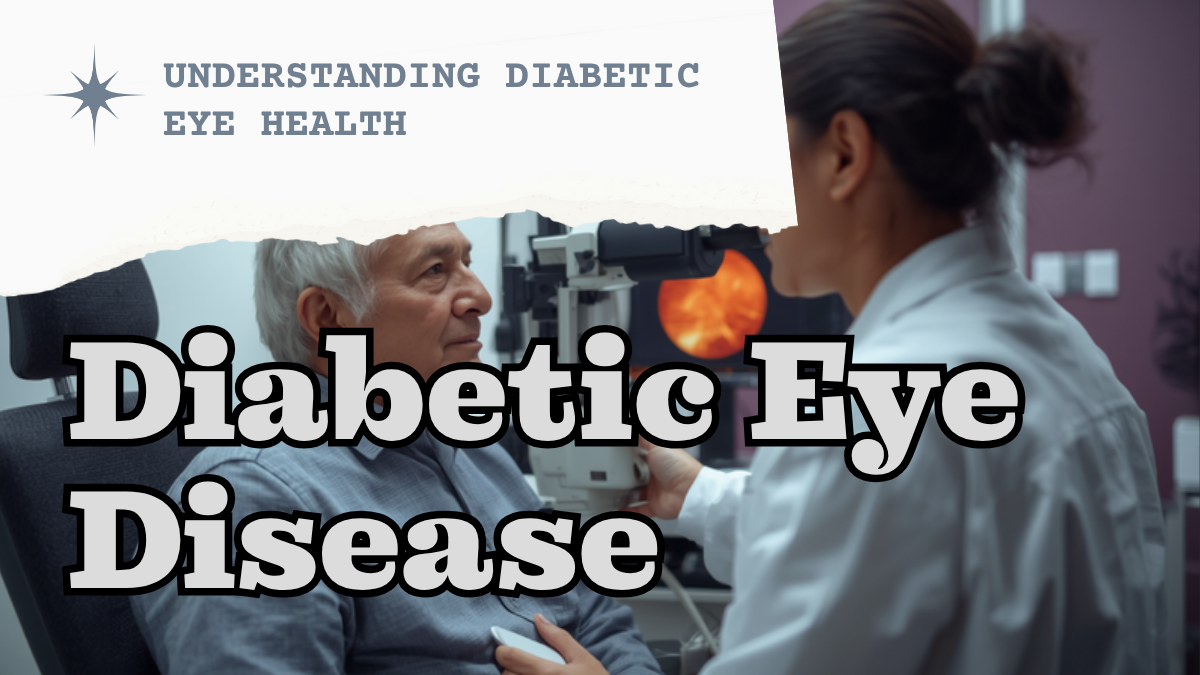
Because damage can begin silently, everyone with diabetes should have a dilated eye exam at least once a year, even if their vision feels perfectly fine. Early detection means treatment can begin before serious, permanent damage occurs. The American Academy of Ophthalmology stresses that regular screening is the single best way to prevent diabetes-related vision loss.
How to protect your vision
- Control your blood sugar, blood pressure, and cholesterol.
- Have a yearly eye exam — book one even without symptoms (how often to get tested).
- Eat well and stay active — see our guide to foods for healthy eyes.
- Don’t smoke, and take medicines as prescribed.
When to see a doctor urgently
Get medical help quickly if you notice sudden vision loss, a shower of new floaters, or what looks like a curtain over part of your vision. These can signal advanced diabetic eye disease that needs prompt treatment.
Protect your sight: good sugar control plus a yearly eye check is the winning combination. Keep your eyes cared for — and comfortable — with the right glasses via Nine Optic’s free home try-on.
Frequently Asked Questions
Can diabetes cause blindness?
Yes, if left unchecked. Diabetic retinopathy is a leading cause of vision loss, but with good blood-sugar control and regular eye exams, most serious damage is preventable.
How often should a diabetic get an eye exam?
At least once a year, with a dilated eye exam — even if your vision seems normal, since early damage often has no symptoms.
Does controlling blood sugar protect my eyes?
Yes. Keeping blood sugar, blood pressure, and cholesterol in a healthy range greatly lowers the risk and slows the progression of diabetic eye disease.
Can diabetic eye damage be reversed?
Early damage can sometimes be stabilised or treated, but advanced damage may be permanent. That’s why early detection through regular exams is so important.
Share This Story, Choose Your Platform!
About the author : Dr. Saifur Rahman

Senior Consultant, Uttara Eye Hospital, Dhaka