
Blue-Cut Lenses in Bangladesh: The Complete Honest Guide (ব্লু কাট লেন্স)
Blue-cut lenses — also sold as anti-blue or blue-light glasses — are everywhere now, promising to protect your eyes from phones and computers. But do they actually work, or is it clever marketing? This is the honest, complete guide to blue-cut lenses in Bangladesh (ব্লু কাট লেন্স): what they are, what the science really says, who truly benefits, the brands and prices, and how to choose the right pair.
What are blue-cut lenses? (ব্লু কাট লেন্স কী?)
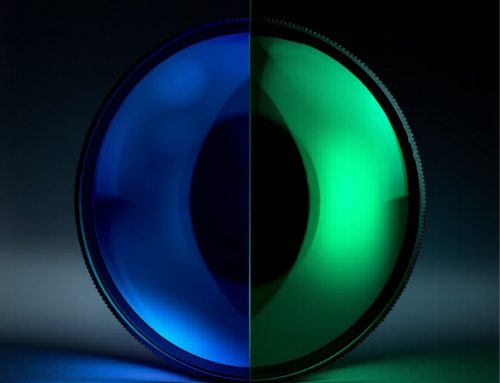
Blue-cut lenses use a special coating or material that filters part of the high-energy blue light given off by screens, LED lights, and the sun. The goal is to reduce how much blue light reaches your eyes during long hours on digital devices. Good blue-cut lenses also include an anti-reflective (AR) coating, which cuts glare and makes the lenses clearer.
Do blue-cut lenses really work? (সত্যিই কি কাজ করে?)
Here’s the honest answer, because you deserve it. Current research shows that the blue light from screens does not damage the retina at the levels we’re normally exposed to, and blue-cut lenses have not been proven to prevent any eye disease. So they are not a medical shield.
However — and this matters — many people genuinely feel their eyes are more comfortable during long screen sessions with them: less glare and less tiredness. Much of that comfort comes from the AR coating and from taking breaks, rather than the blue filter alone. So think of blue-cut lenses as a comfort upgrade for heavy screen users, not a miracle cure. The real fix for tired eyes is good habits — see our guide to digital eye strain and the 20-20-20 rule. For a deeper look, read our honest take on whether anti-blue glasses really work.
Who actually benefits?
- Heavy screen users — office workers, students, and anyone on screens 6+ hours a day.
- People sensitive to glare, especially working at night or under LED lights.
- Anyone who simply finds screens tiring and wants a more comfortable everyday pair.
If you rarely use screens, you probably don’t need them.
Types & brands of blue-cut lenses in Bangladesh
| Option | What you get | Price level |
|---|---|---|
| Basic blue-cut coating | Entry-level blue filter | Affordable |
| Blue-cut + AR (quality generic) | Better glare control, clearer lens | Mid-range |
| Premium (Zeiss, Crizal) | Best clarity, durability & authentic warranty | Higher |
Wondering if the premium brands are worth it? Our Zeiss/Crizal vs ordinary anti-blue lens comparison breaks down the real differences.
Price in Bangladesh
Blue-cut lens prices vary widely with brand and quality. Basic blue-cut lenses are budget-friendly, while premium branded options (Zeiss, Crizal) cost more but deliver superior coatings, durability, and genuine warranties. One important tip: buy from a trusted seller, and be cautious of very cheap lenses sold with big “branded” claims — authenticity matters.
How to choose the right blue-cut lens
- Match it to your screen time — the more hours, the more worthwhile.
- Get an accurate eye test first, so the power is correct before adding coatings.
- Always add an AR coating — most of the real comfort comes from it.
- Choose a near-clear tint — heavy yellow tints distort colours.
- Buy authentic from a reputable store.
Blue-cut lenses for children?
For kids, screen-time limits and daily outdoor play matter far more than any lens. If you’re still considering them, read our guide to anti-blue light glasses for children first.
বাংলায়: ব্লু কাট লেন্স চোখের রোগ ঠেকায় না, তবে যারা দীর্ঘ সময় স্ক্রিনে কাজ করেন তাদের অনেকের কাছে এটি চোখ আরাম দেয় — মূলত গ্লেয়ার কমিয়ে। সেরা ফল পেতে লেন্সের সাথে ২০-২০-২০ নিয়ম মেনে চলুন।
The bottom line
Blue-cut lenses won’t “cure” anything — but for heavy screen users they’re a comfortable, low-cost upgrade, best paired with the 20-20-20 rule, regular breaks, and a proper eye test. Choose an accurate power, add a good AR coating, and buy authentic.
Ready to try a pair? Nine Optic’s free home try-on lets you test blue-cut lenses and frames from home, with cash on delivery.
Frequently Asked Questions
Do blue-cut lenses really protect your eyes?
They don’t prevent eye disease, and screen blue light doesn’t damage the retina at normal levels. But many heavy screen users find them more comfortable, mainly due to reduced glare.
Are blue-cut lenses worth the money in Bangladesh?
For people on screens many hours a day, yes — as a comfort upgrade. If you rarely use screens, they’re usually not necessary. Adding an AR coating gives most of the benefit.
Do blue-cut lenses cause any side effects?
No harmful side effects. The only downside is that heavily tinted versions can slightly distort colours, so choose a near-clear tint.
Should children wear blue-cut glasses?
For children, limiting screen time and encouraging outdoor play matter far more. Blue-cut lenses are optional and no substitute for good habits.
Share This Story, Choose Your Platform!
About the author : Dr. Asifur Rahman

Senior Consultant, Bangladesh Eye Hospital, Dhaka