
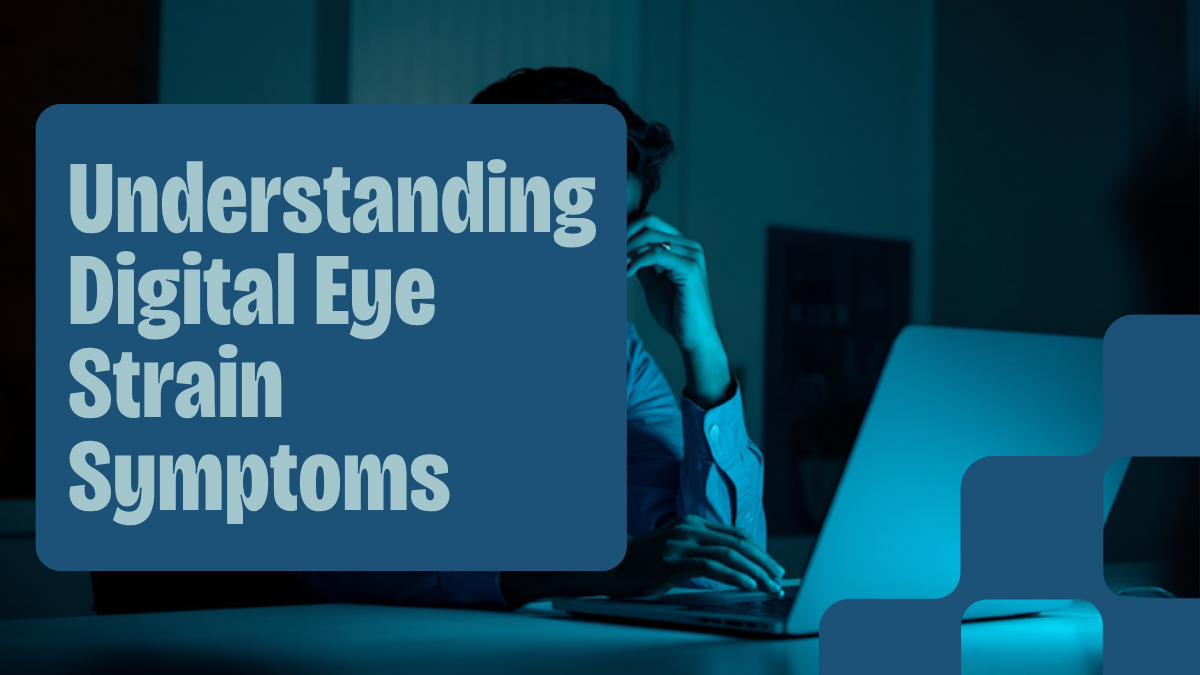
Computer Vision Syndrome: Beat Digital Eye Strain (ডিজিটাল আই স্ট্রেইন)
By the end of a long workday, do your eyes feel dry, heavy, and tired? Does a dull headache settle behind your forehead after hours on the computer or phone? You’re not imagining it. This everyday discomfort has a name — Computer Vision Syndrome (CVS), also called digital eye strain, or ডিজিটাল আই স্ট্রেইন in Bangla. In a country where work, study, and entertainment increasingly happen on screens, it has quietly become one of the most common eye complaints in Bangladesh.
What is Computer Vision Syndrome?
Computer Vision Syndrome is not a single disease but a group of eye and vision problems caused by long, unbroken screen use. When you stare at a digital display, your eyes work harder than they do when reading print — they constantly focus, refocus, and adjust to glare and flicker. According to the American Optometric Association, the effect builds up over hours and worsens the longer you continue without a break.
Common symptoms (লক্ষণ)
- Tired, dry, or watery eyes
- Headaches, often around the forehead or temples
- Blurred vision, especially when looking up from the screen
- Neck, shoulder, and back pain from poor posture
- A burning or gritty feeling, as if there’s sand in the eyes
- Increased sensitivity to bright light
বাংলায়: দীর্ঘ সময় মোবাইল বা কম্পিউটারের স্ক্রিনে তাকিয়ে থাকার পর চোখ জ্বালা করা, মাথা ব্যথা, আর চোখ ঝাপসা হয়ে যাওয়া — এগুলোই ডিজিটাল আই স্ট্রেইনের সাধারণ লক্ষণ।
Why screens tire your eyes
Three things make digital screens harder on the eyes than paper. First, we blink far less while concentrating on a screen — sometimes half as often — so the surface of the eye dries out. Second, screens add glare and constant tiny focus adjustments that your eye muscles must keep up with. Third, most people sit too close, for too long, often in poor lighting. None of this damages your eyes permanently, but together they leave them exhausted.
How to relieve and prevent digital eye strain
The good news: a few simple habits make a dramatic difference, and none of them cost anything.
1. Follow the 20-20-20 rule
This is the single most effective habit. Every 20 minutes, look at something about 20 feet (6 metres) away for 20 seconds. It relaxes the focusing muscles and reminds you to blink.

2. Fix your screen setup
- Keep the screen an arm’s length away, with the top of the monitor at or slightly below eye level.
- Reduce glare — avoid having a bright window directly behind or in front of the screen.
- Match your screen brightness to the room; a screen that glows in a dark room strains the eyes more.
3. Blink, rest, and light well
Make a conscious effort to blink fully and often. Take a short screen break every hour, and work in a comfortably lit room rather than a dark one. If your eyes feel dry, lubricating drops can help.
Do computer or blue-light glasses help?
For many people who spend long hours on screens, the right pair of glasses makes the day far more comfortable. A clean, well-coated lens reduces glare and reflections, and lets you work without squinting. If you already wear power glasses, an anti-reflective or blue-cut coating is worth considering.

Just keep your expectations realistic: glasses ease glare and focusing effort, but they don’t replace good habits. Pairing the right lenses with the 20-20-20 rule works far better than either alone. If you work at a desk all day, our guide to the best eyeglasses for office workers and our blue-cut lens comparison are good next reads.
When to see an eye specialist
Digital eye strain itself is harmless and reversible. But book a proper eye check if the discomfort persists even after you rest and improve your habits, if your vision stays blurry, or if you get frequent headaches — sometimes the real cause is an uncorrected power or early presbyopia that screens simply expose.
The simplest first step: get an accurate eye test and the right lenses for how you actually work. With Nine Optic’s free home try-on, you can do exactly that from home, and pay cash on delivery.
Frequently Asked Questions
Is computer vision syndrome permanent?
No. Digital eye strain is temporary and reversible. Symptoms ease with rest and better screen habits, and it does not cause lasting damage to healthy eyes.
Do blue-light glasses really reduce eye strain?
They can reduce glare and make long screen sessions more comfortable, but habits like the 20-20-20 rule and blinking matter just as much. Use both together for the best result.
How long should I look away from my screen?
Follow the 20-20-20 rule: every 20 minutes, look at something about 20 feet away for 20 seconds to relax your focusing muscles.
Can mobile phones cause digital eye strain too?
Yes. Phones are held closer than computers and used for long stretches, so they are a major cause of eye strain — especially for students and young people.
Share This Story, Choose Your Platform!
About the author : Dr. Saifur Rahman

Senior Consultant, Uttara Eye Hospital, Dhaka